Alumni Spotlight: Jessica Bullock
NICU Nurse, New Mom, Community Champion
From class trips to seasonal festivals, beeswax modeling to reading Albert Camus, WSA alumna Jessica Bullock had an “absolutely magical childhood” at the Waldorf School of Atlanta. Looking back, she sees how the skills, confidence, and relationships she built at WSA shaped her life in many profound ways.
Today, Jessica is getting a new perspective on WSA as a mom in the Morning Garden Infant and Toddler Program. Below, we talk with Jessica about her favorite memories, how she found her calling as a nurse, and what she’s looking forward to as both an alum and parent at the Waldorf School of Atlanta.
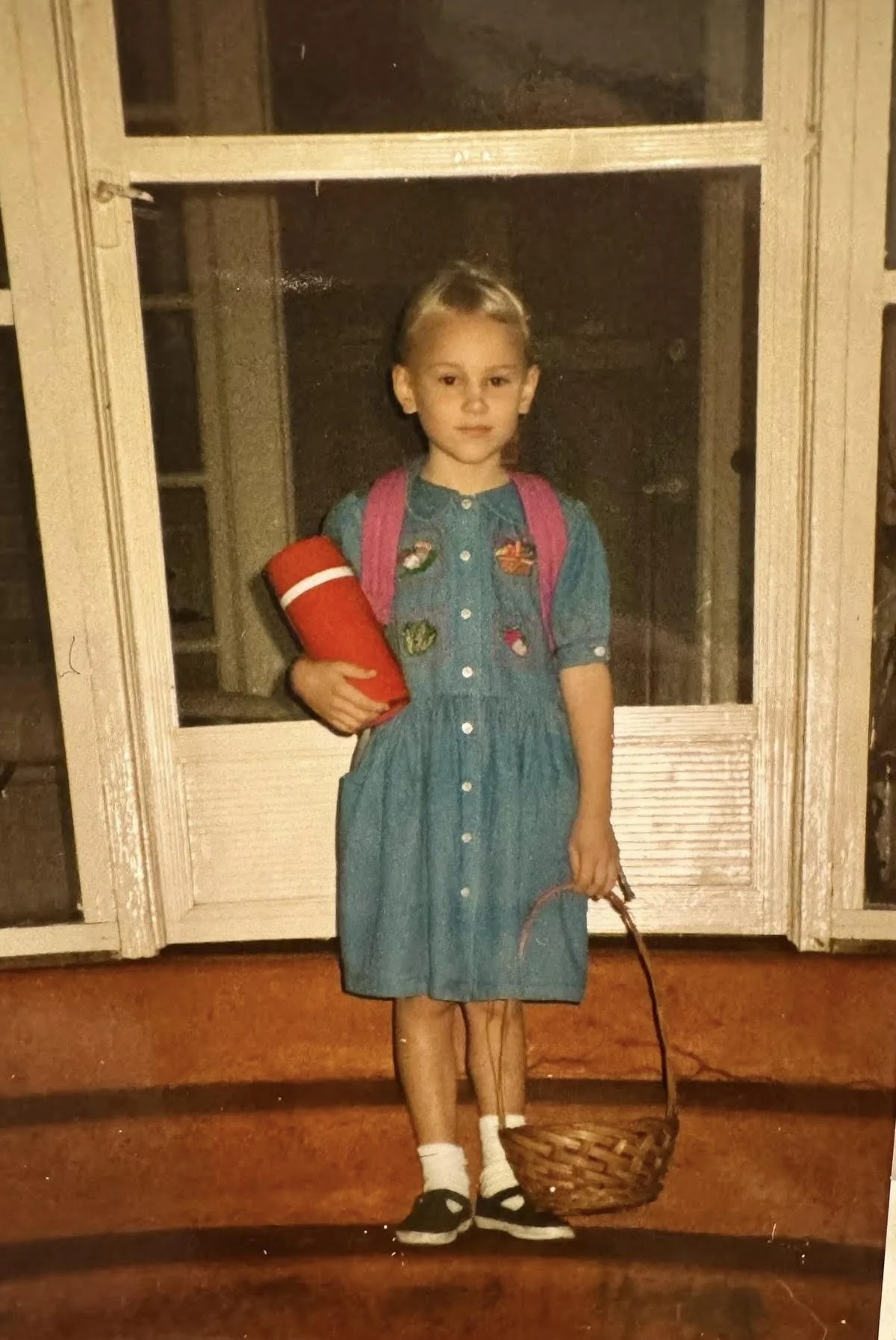
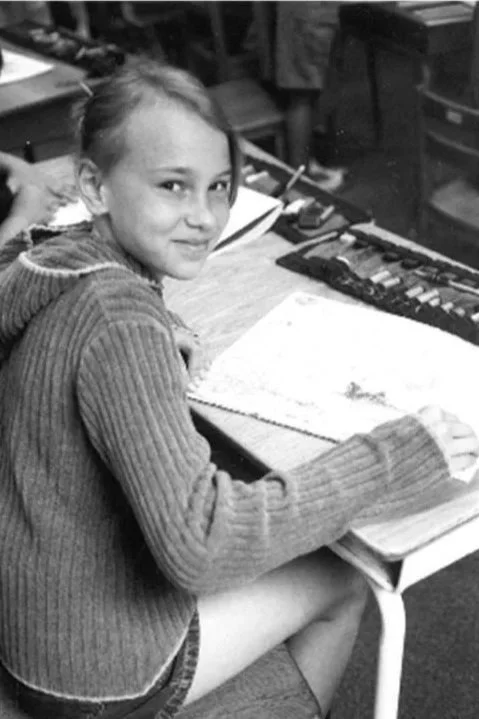
When did you attend the Waldorf School of Atlanta?
I started when I was in kindergarten and I stayed through 8th grade. The Waldorf School of Atlanta was new at the time, and it was a very, very small school. During those years, the school continued to blossom and grow.
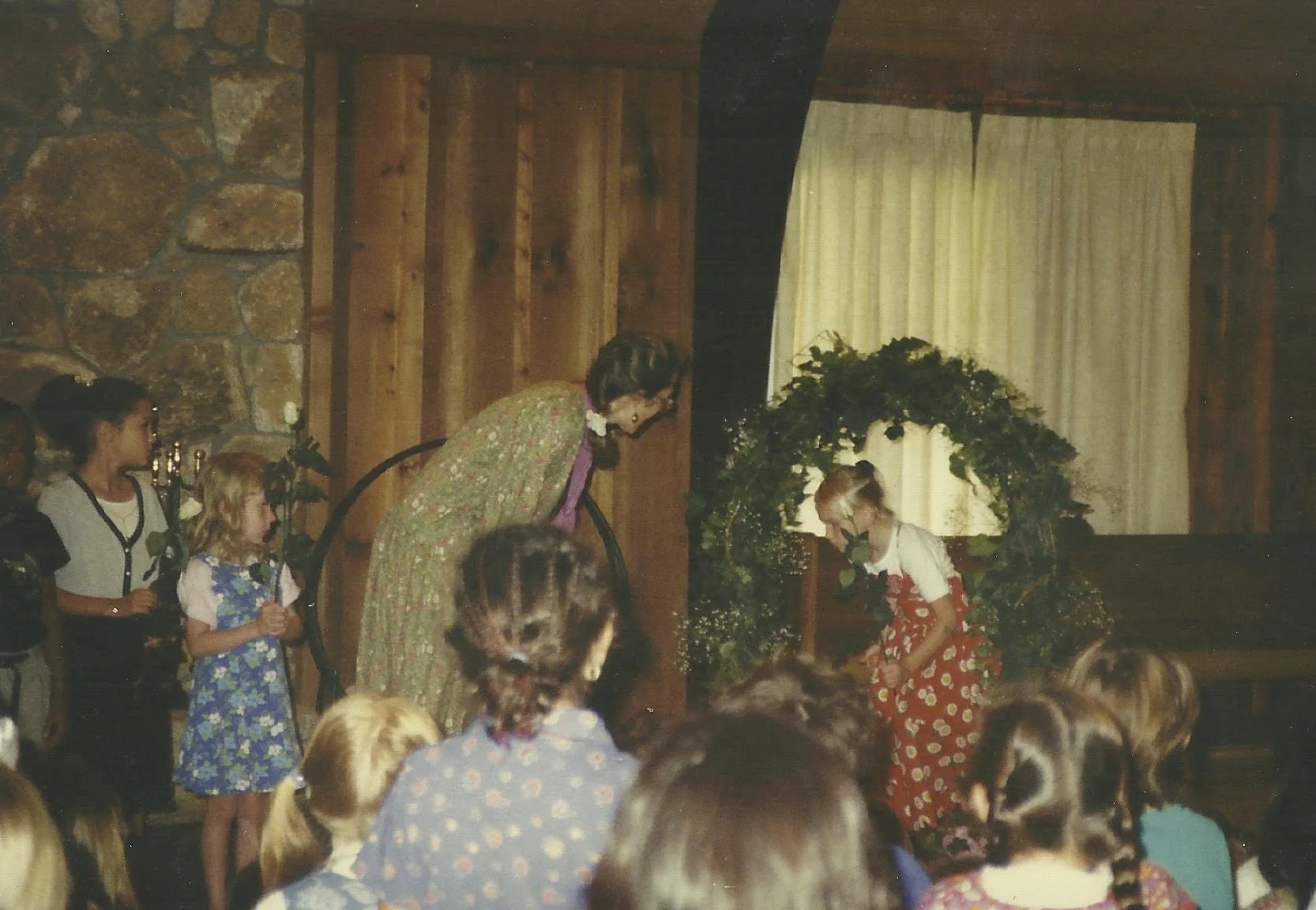
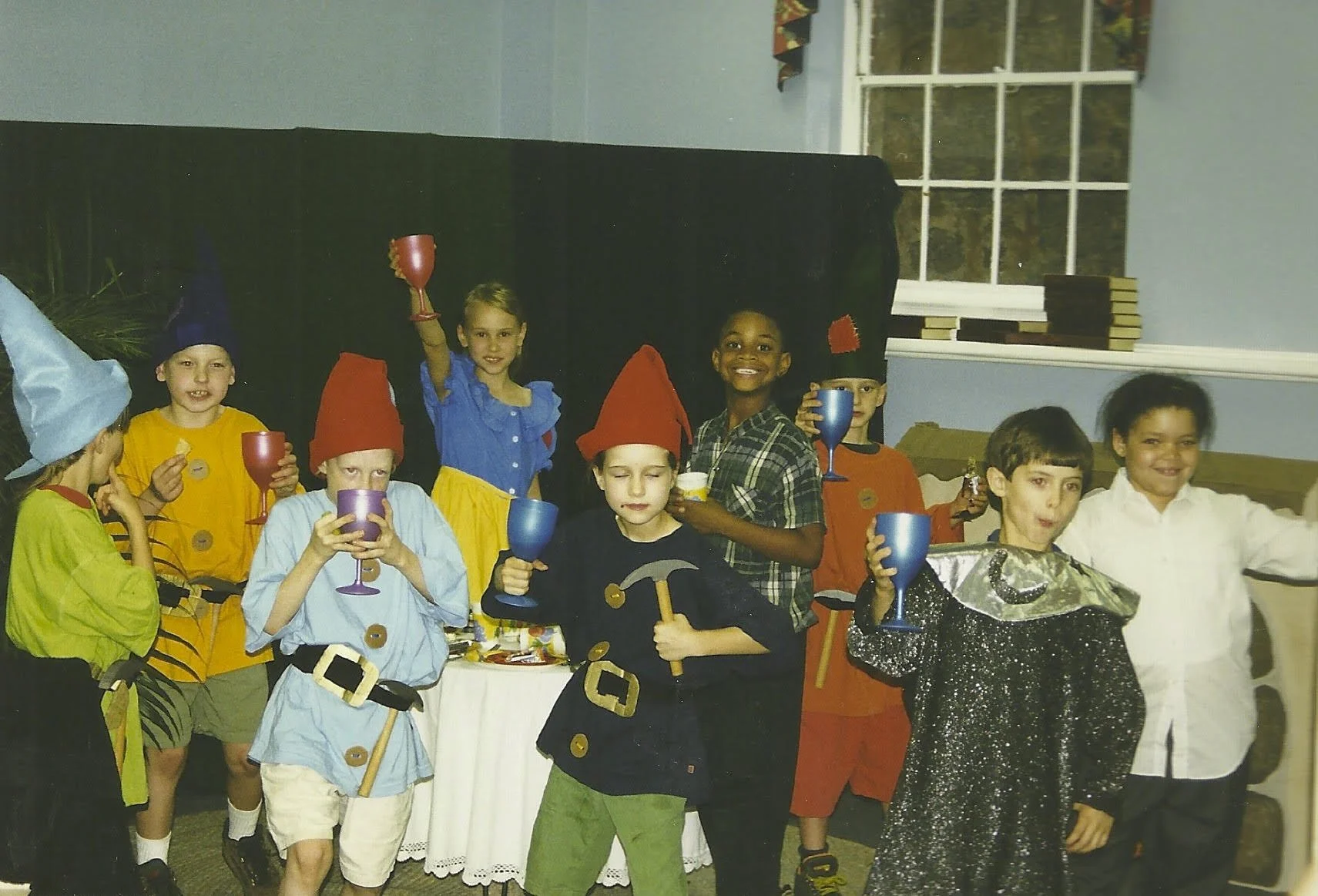
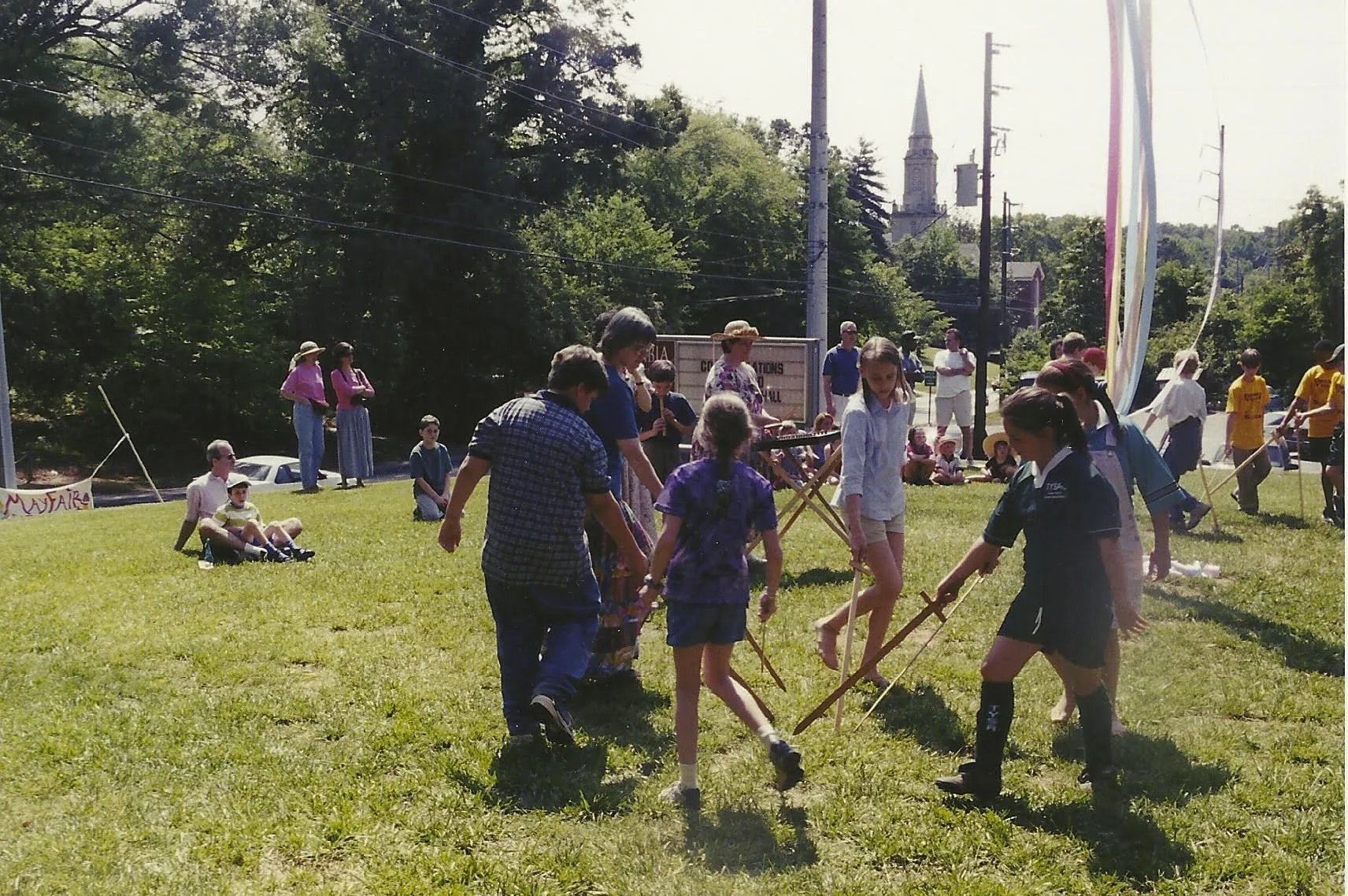
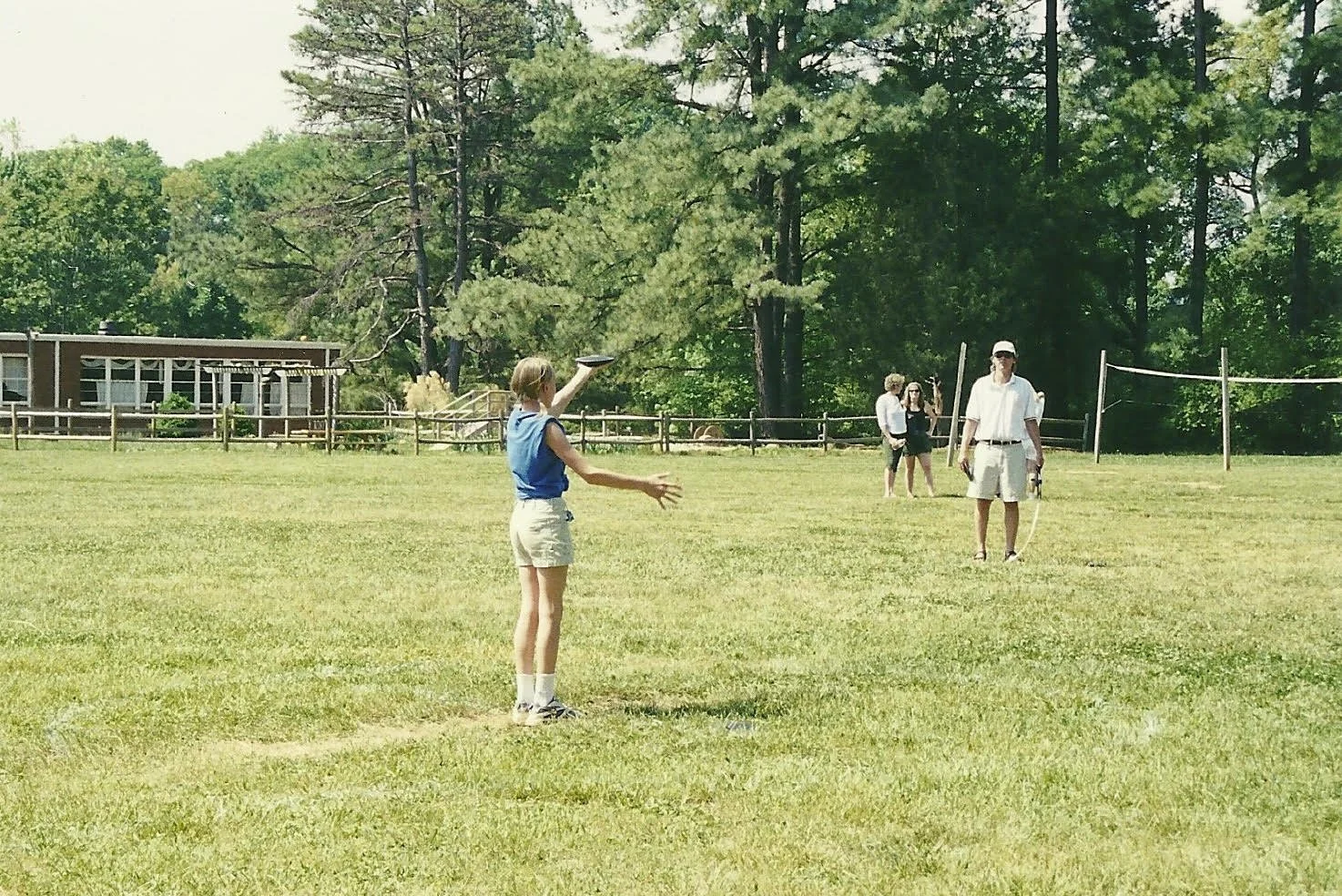
There's so much lore and magic in a Waldorf school, and that is one of the things that truly impacted me—having just an absolutely magical childhood. Everything felt exciting and celebratory. I loved the big May Day celebration with the maypole. And the fifth grade Olympics was so much fun!
I don't think that at the time I would have been able to articulate how those things were meaningful to me. When I look back, I can see how those events not only shaped the passage of time, but brought so much joy in each session and each stage of life. I think my inner child will always be active and grateful for that sense of magic.
How did Waldorf education meet you as a student?
It’s a very tailored education. As a child I was constantly read to, at home and at school. I was very unmotivated to read myself. I didn't learn to read until I was 9. There’s so much negative information out there about what it means to be a late reader, but it never meant anything to me. I never felt like I was not keeping up or that there was something wrong with me. It really speaks volumes to the messaging that I received from my parents and teachers.
I'm a voracious reader now—and I have been since I learned to read. You do it when you’re ready. It reminds me of milestones like walking. Some kids walk when they're nine months old and some kids walk later. We know that’s all within the realm of normal.
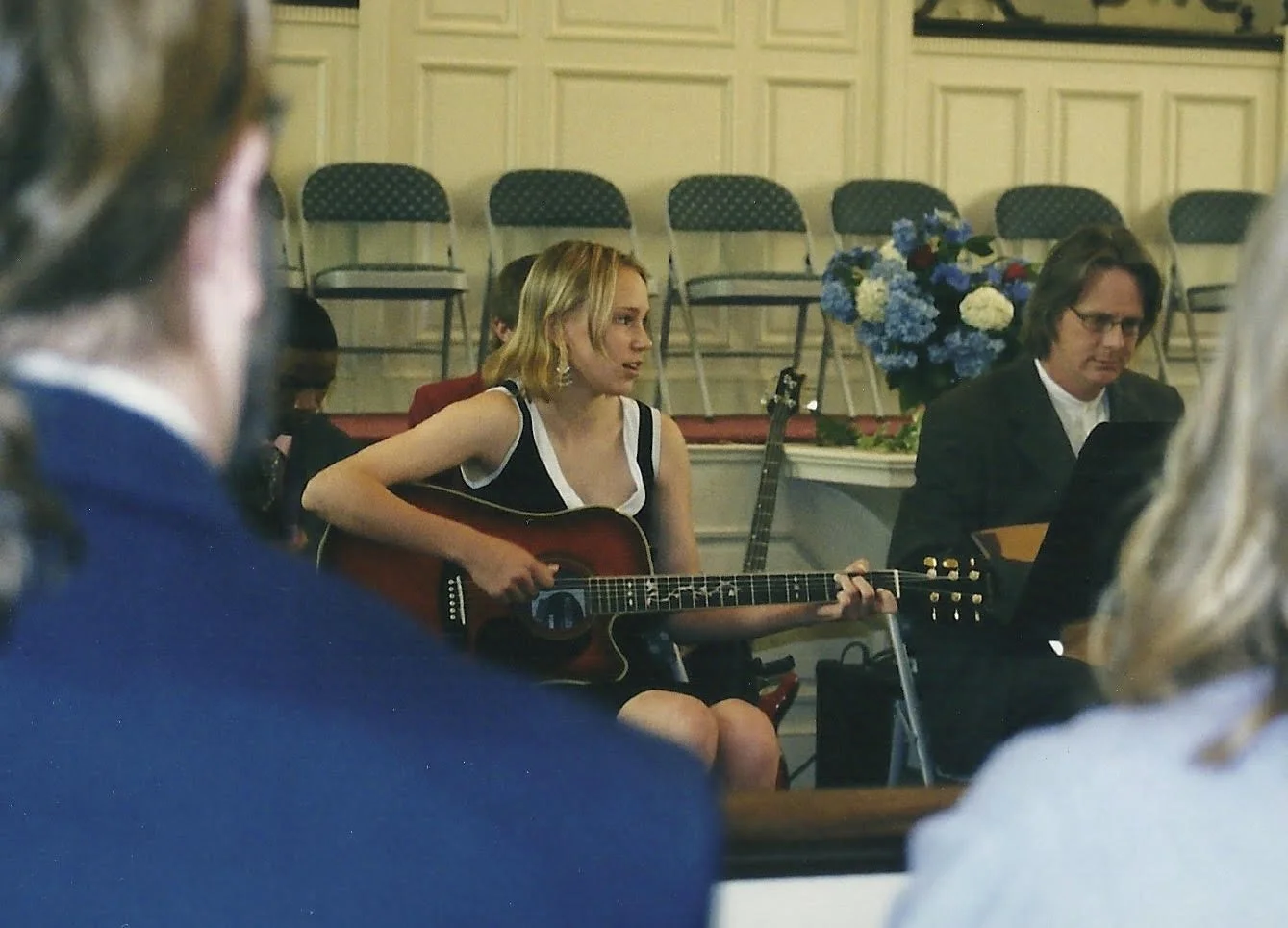
By 8th grade, my best friend and I were advanced in our studies, so we would get different assignments than those given to our classmates. We were reading George Orwell and Albert Camus—things that were pretty unusual for a 14-year-old. We were able to have our needs met, philosophically and academically.
It was a really special thing to be known in that way, and to be seen for what we were capable of—and to be challenged to meet that expectation of us. There were never any negative feelings about students needing different things—whether they needed remedial work or more advanced work.
What was your class community like?
We were a very active group. We were all fidgeters. We would get in trouble for leaning our chairs back, because you can fall backwards—and we did. So the school replaced all our chairs with yoga balls and we all just bounced! It was such a game changer! We were so happy. Our teachers were happy. It was an easy thing that was totally meeting us all where we were.
The beautiful thing was that it was normal. I don't think I realized until later that they were making accommodations for us. I'm so grateful that people supported me and my classmates in those ways.
Over the course of elementary and middle school, our class ranged between 12 and 24 students. It wasn’t super large, but it wasn’t super small either. I felt like a part of the greater community too. I knew all the first graders’ names—even when I was 14, I remember waving to this little seven-year-old who I had recently taught to knit.
What was your favorite year at WSA?
I loved 8th grade! We were going from reading Camus to playing basketball two times a day during recess to teaching first graders how to knit to making a woodworking book with beautiful wooden inlays.
We didn't have to shine at everything. There were certain things we did that I would have never, ever done on my own. It’s important to figure out how to manage things that you're not good at because you're probably going to have to do that throughout your life. Maybe you won't get better, and that's okay.
We raised money our 8th grade year to go out to California where we sailed an old-fashioned tall ship to Catalina Island. I remember we played volleyball on this deserted volcanic island. I remember being woken up in the middle of the night to follow the stars to guide the ship! I felt like, What kind of story am I in? This can't be real life! In my memory, it's just absolute magic.
Again, the preservation of that magic and whimsy was so important for me. At Waldorf, we got to have that magical feeling, and we were entrusted with a lot of responsibility and a lot of composure and poise for a young kid too.
Where did you go to high school?
I chose to go to public school for high school. My best friend was also going to a public school, but a different one, so we thought, Let's go out in the world. Let's see what we're made of. I knew it was going to be really different. I was nervous about learning how to operate a locker combination!
Academically, I was very prepared. There were little things I’d missed, like when you transfer to any school. Everybody but me knew those Schoolhouse Rock videos about “how a bill becomes a law” and “conjunction junction.” Funny things like that.
I found some classes were not very engaging, and I missed the deeper aspects of Waldorf learning. I was amazed by how much fluff there was—so much busy work! But I also had high school classes that were incredible and really encouraged my critical thinking skills.
What did you study in college?
I majored in sociology. I went to Smith College in Massachusetts, and then I transferred in the middle of my studies to Emory. People talk a lot about the confidence of children who have been educated in the Waldorf system—the deep comfort in who they are and what they can do. I look back at some of the things that I did in college and wonder: Where did I have the confidence to do that?
During my senior year, I taught a class of freshman students every week for a semester. I was a writing tutor. I served on the Emory President’s Commission on the Status of Women with people from all over the university’s departments and divisions. That would all make me very nervous now, but in hindsight, I just had an innate sense that I belong here.
Did you go to nursing school after college?
No! After college, I started graduate school for public health, and it wasn't a great fit for me. As much as I loved research and education, I realized that I didn’t want to sit in front of a computer all day. I wanted something more physical, more dynamic, and more focused on people. I really need that connection to be happy.
After college, I explored several career paths by shadowing people at their jobs. Through this process, I ended up spending a day in a neonatal ICU with a Waldorf alumni mom. I thought it wasn’t going to be a good fit: loving babies as much as I do made it hard to imagine seeing them sick. Within an hour there, I knew, I'm going to go be a NICU nurse. I don't have any science background. I don't have the prerequisites I need to do this, but I'm going to be a nurse. I'm going to go work on this unit. And I did it.
It's the perfect job for me. I've been at my job for almost 10 years and I just brought on a coworker who is a Waldorf alum—and her mom is a teacher at Waldorf too! So we're completing the full circle here.
Do you think that your Waldorf education helped you feel confident in changing your field, going from sociology and into the sciences?
Yes, again, it’s the belief that I can do it. There's an innate sense of confidence that I can utilize what I've been taught and figure things out. I can utilize my community and my resources.
Not being alone is huge—it's huge when going through struggles, whether that's figuring out what you want to be when you grow up or family struggles. I think a lot about the communities that Waldorf builds, within classrooms and among families. You become really close to your friends’ parents, their siblings, etcetera. It's such a privilege to be known by trusted adults, people who have a really good sense of who you are and have watched you grow and change and learn. It’s definitely a village.
You're back at WSA in the Morning Garden class with your son. What's it like being on the parent side?
It feels so normal and so comfortable. I haven't been a student at the Waldorf School of Atlanta in such a long time, and I still feel at home. Much of the school has changed, but there are still these people who are pillars in our community. And a general openness and community vibe.
We’re just in baby school now. I'm excited to see how it grows and changes —and honestly, I’m just excited having this really beautiful community and nurturing space and rituals for my son to grow up with.
What would you tell other parents who are considering Waldorf education, based on your experience both as an alumna and a new mom?
I hear people who are nervous about Waldorf—specifically worries like, will my child be behind? Will they learn? What I think about is: What kind of people do we want to raise? What do we hope for them? Do we hope that they are strong and secure in their bodies? Do we hope that they have trusted adults and classmates with whom they can connect?
I think that families who are choosing Waldorf are choosing connection, they're choosing community, and they're choosing to have their kids learn how to be really capable, confident individuals. They also want their kids to have support and structure from trusted educators who meet each kid where they’re at.
Teaching someone their alphabet is great. Obviously Waldorf will do that. Teaching someone how to think through a problem, and to feel confident and capable in their own thinking, is something else entirely. It’s giving someone the tools versus giving them the finished product.