Comparing Waldorf, Montessori, or Reggio Emilia: A Parent’s Guide to Choosing a Preschool in Atlanta

Waldorf, Montessori, and Reggio Emilia are three of the best known child-centered approaches to early childhood education, guiding teaching practices in preschools across the world. When comparing preschool programs in Atlanta, many parents want to better understand each of these preschool education philosophies and what makes them unique.
What Do These Preschool Educational Methods Have In Common?
Waldorf, Montessori, and Reggio Emilia are three alternative education models that were founded in Europe during the early 20th century and have since spread throughout the world. All three systems share some notable similarities in their approach, including:
An emphasis on holistic education that engages the child’s body, mind, and feelings
Beautiful, welcoming, and thoughtfully designed classroom environments
Deep respect for the child and the unique developmental phase of early childhood
An overarching theory of child development that guides classroom activities and the role of the teacher — though the theories differ in each approach
As the leading alternative preschool education philosophies in Atlanta, one additional thing that Waldorf, Montessori, and Reggio Emilia have in common is that they are usually private preschools, though some public and charter schools have adopted their methods.
While all three programs offer time-tested educational methods, there are meaningful differences between their approaches, which we outline below.
Waldorf: Imaginative and Play-Based, Encouraging Curiosity and Social Skills
In a nutshell: Waldorf early childhood programs are play-based and child-centered, with an emphasis on learning through imagination, hands-on activity, and social interaction. Waldorf teachers lead the class in a gentle daily rhythm, which alternates between guided activities such as crafting, cooking, and singing, alongside sustained periods of imaginative free play. Importantly, Waldorf education advocates for a completely tech-free approach to early childhood education, placing emphasis on the teacher-student relationship and supporting families in reducing or eliminating media at home.
Academics: The Waldorf preschool and kindergarten curriculum encourages each child’s intellectual, social, emotional, and physical development through a blend of imaginative child-led play and teacher-guided activities. Classroom activities are carefully chosen to encourage key pre-academic skills, including fine and gross motor development, comprehension and foundational literacy skills, number sense, problem-solving, focus, and social-emotional maturity. Building on this rich foundation, students are broadly and meaningfully prepared when formal academic instruction begins in 1st grade.
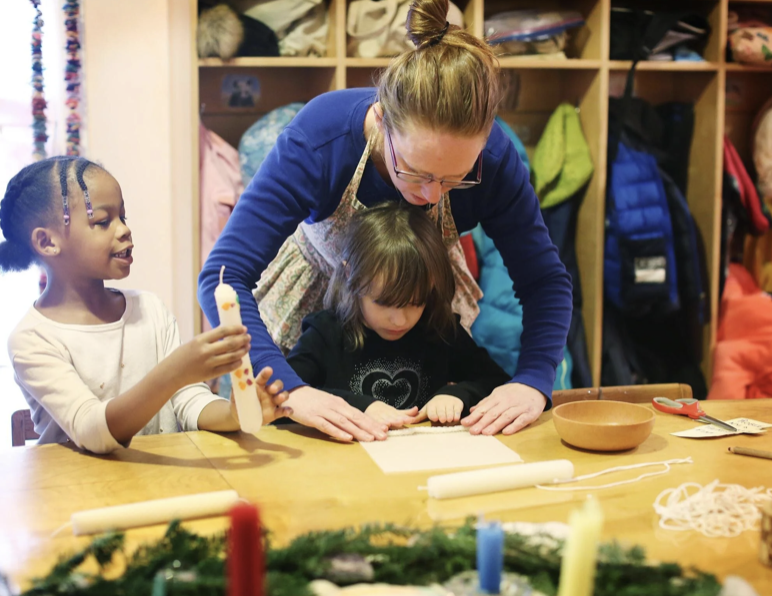
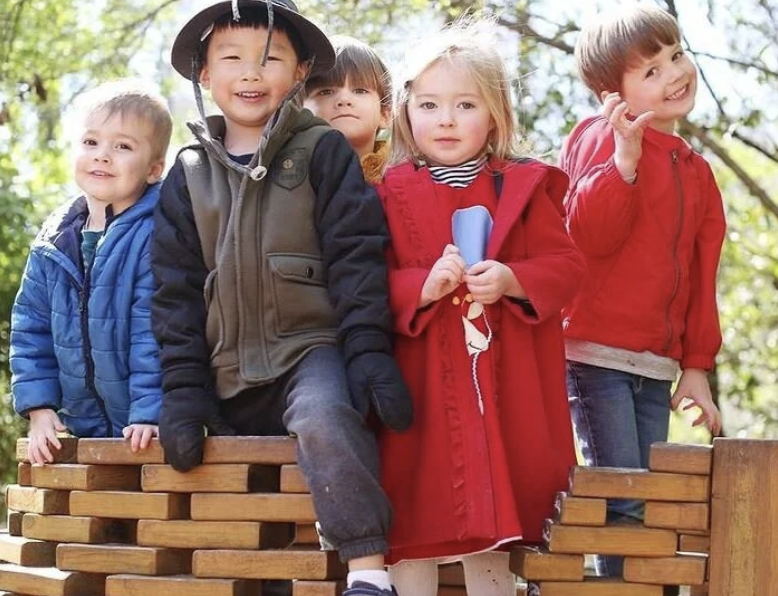
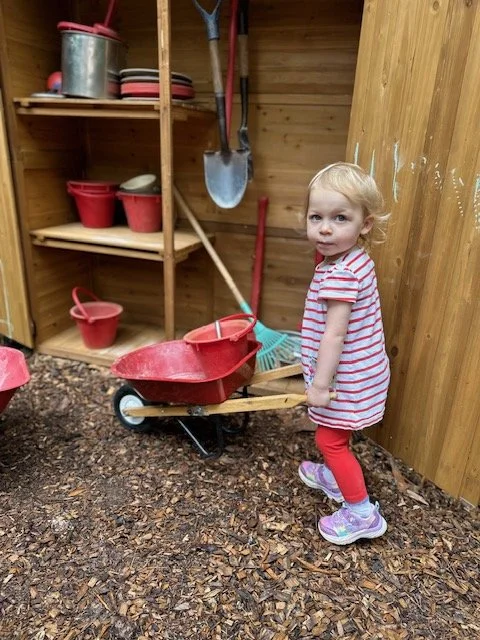
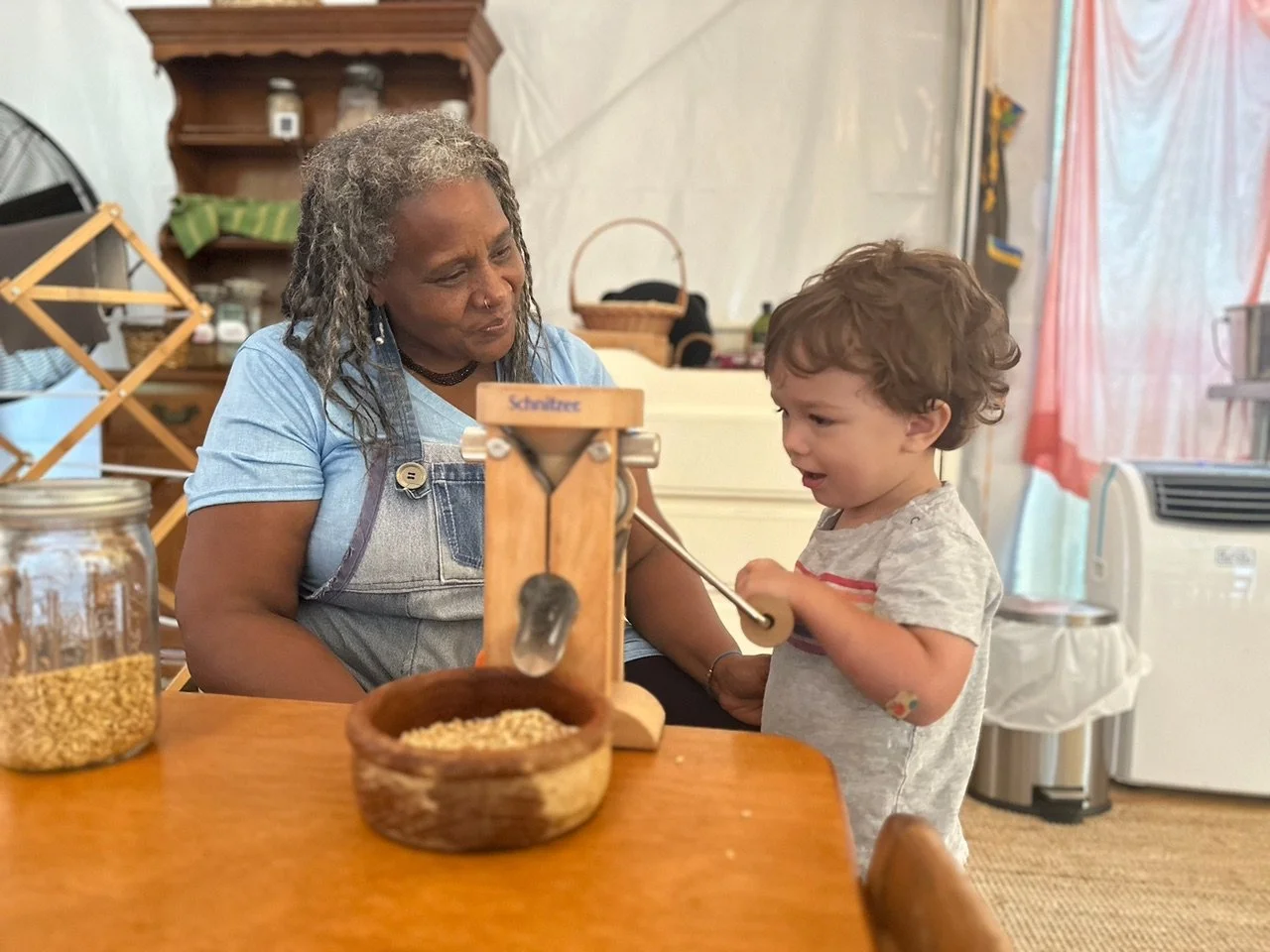

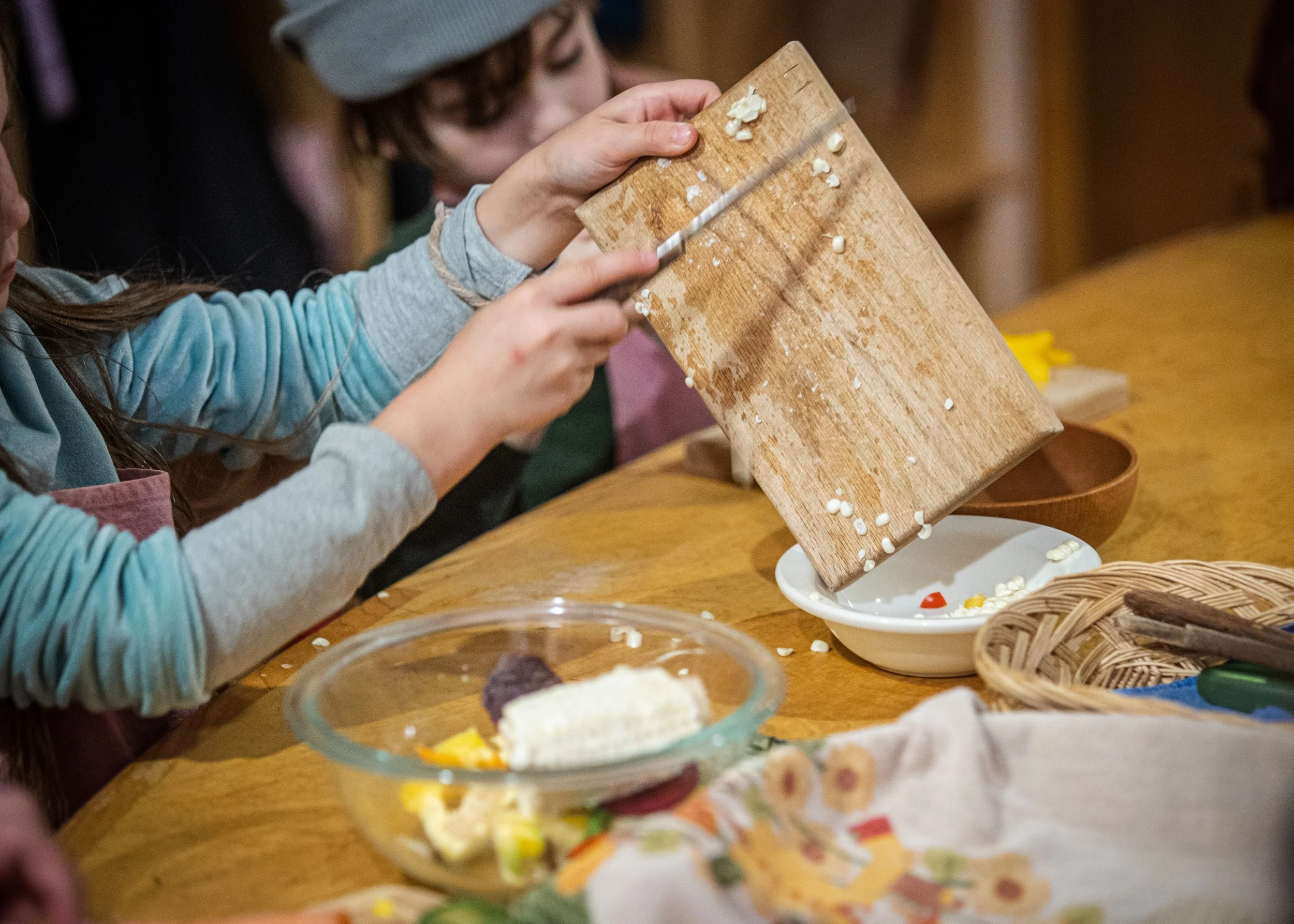
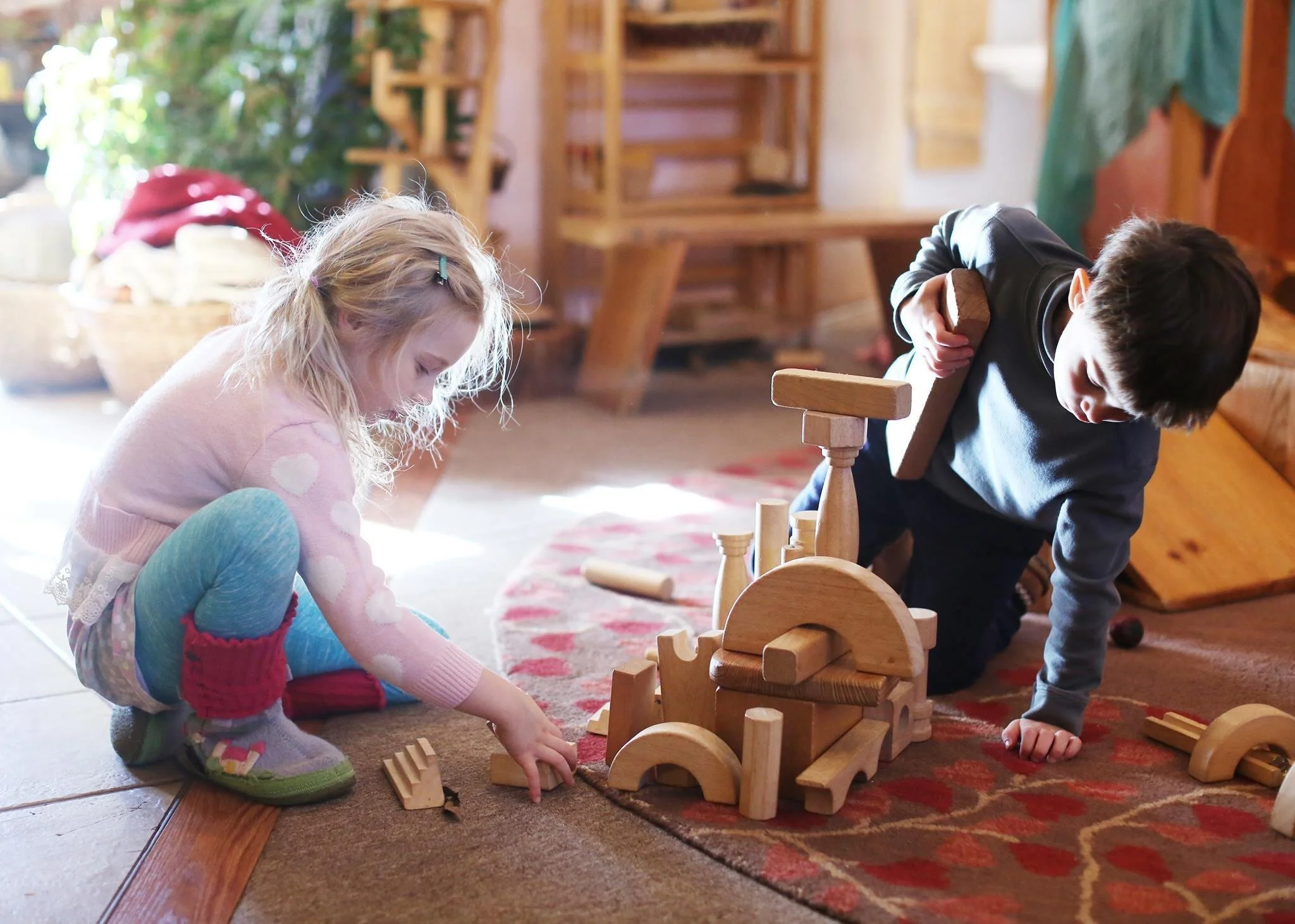
The classroom environment: Warm and cozy, Waldorf classrooms are designed to encourage imagination and play, as well as instill a sense of wonder, safety, and comfort in young children. Waldorf classrooms are stocked with natural, open-ended toys and have ample space for both indoor and outdoor play.
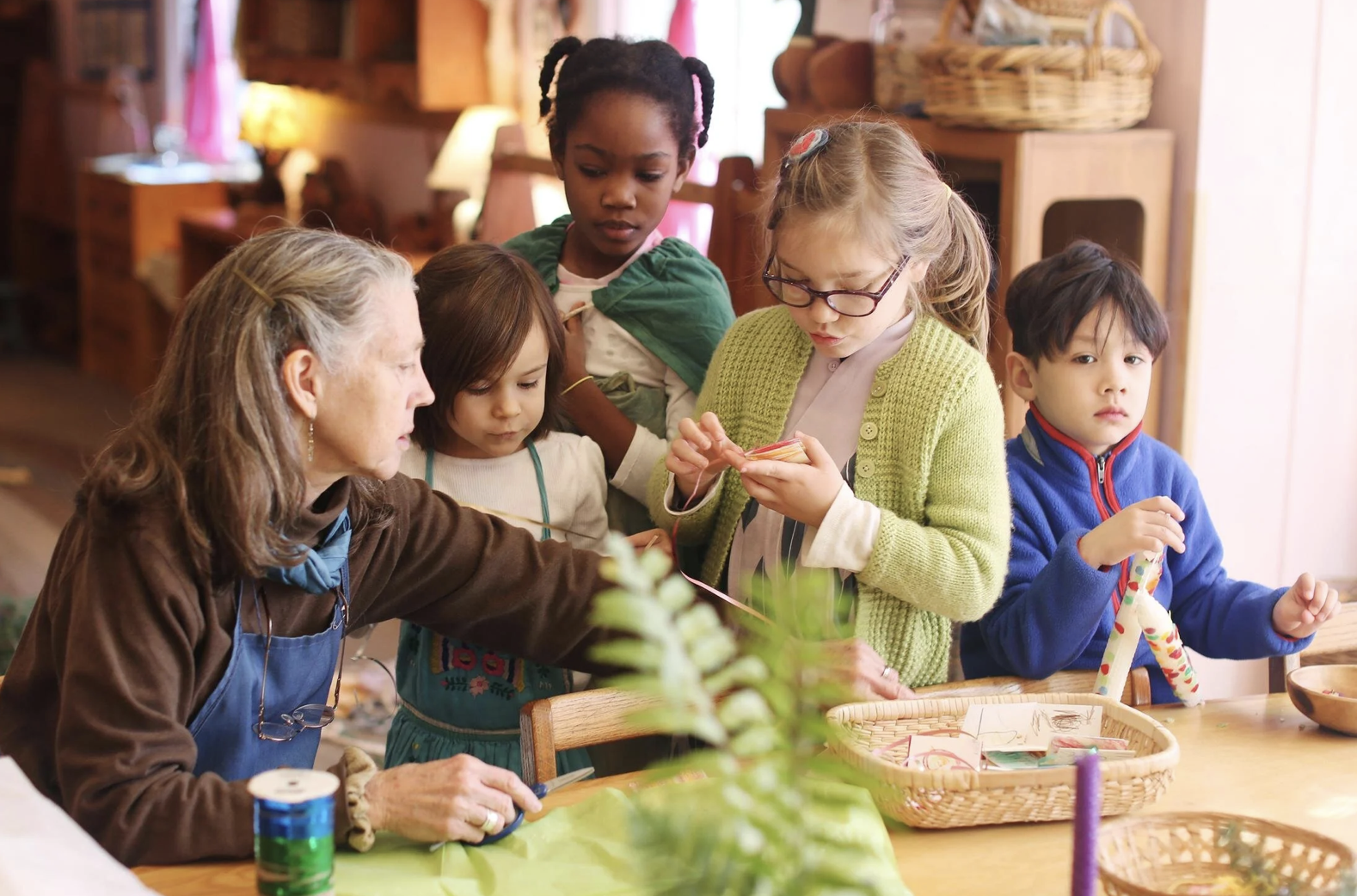
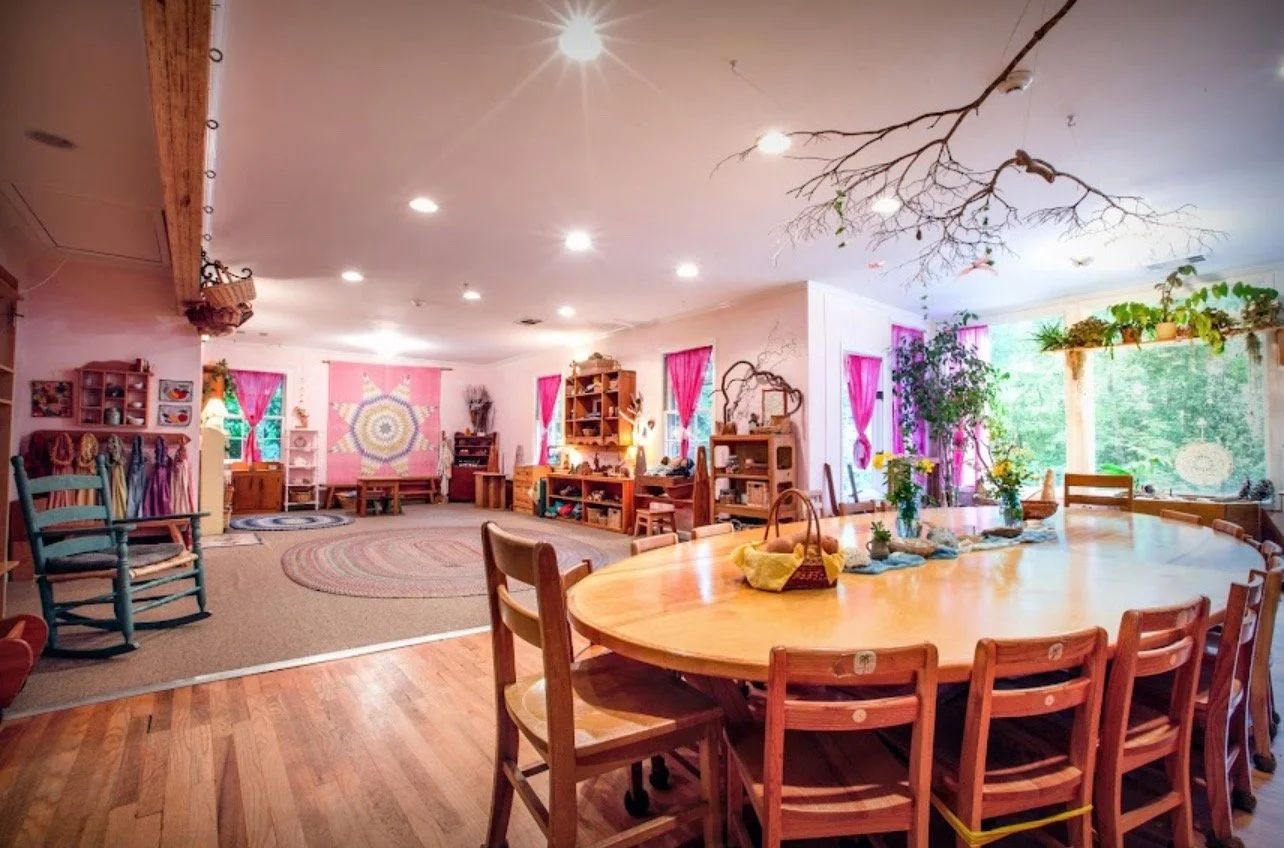
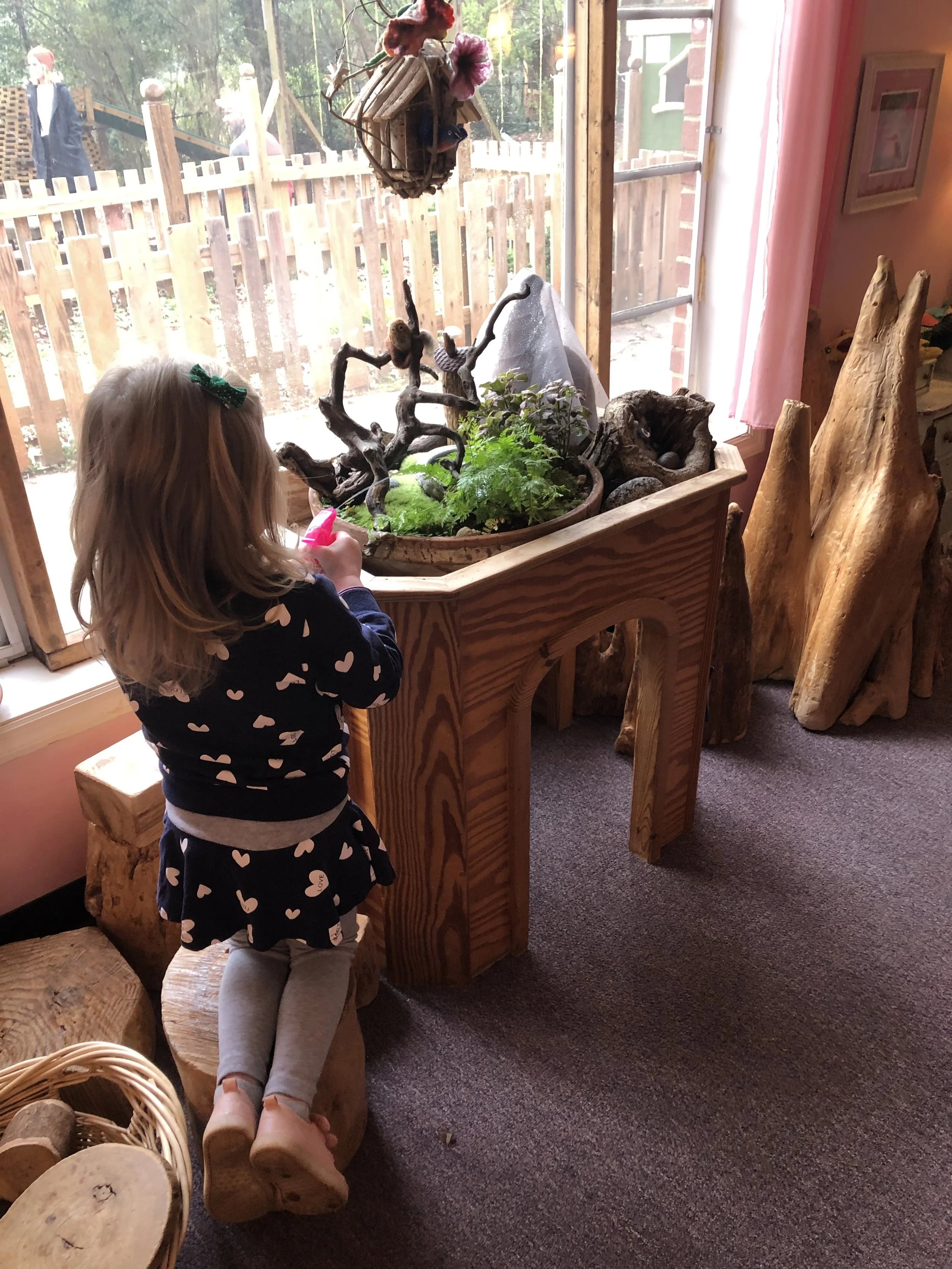
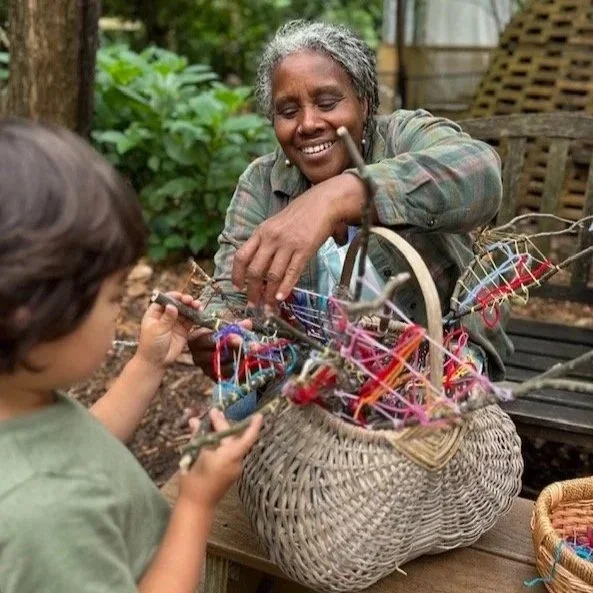
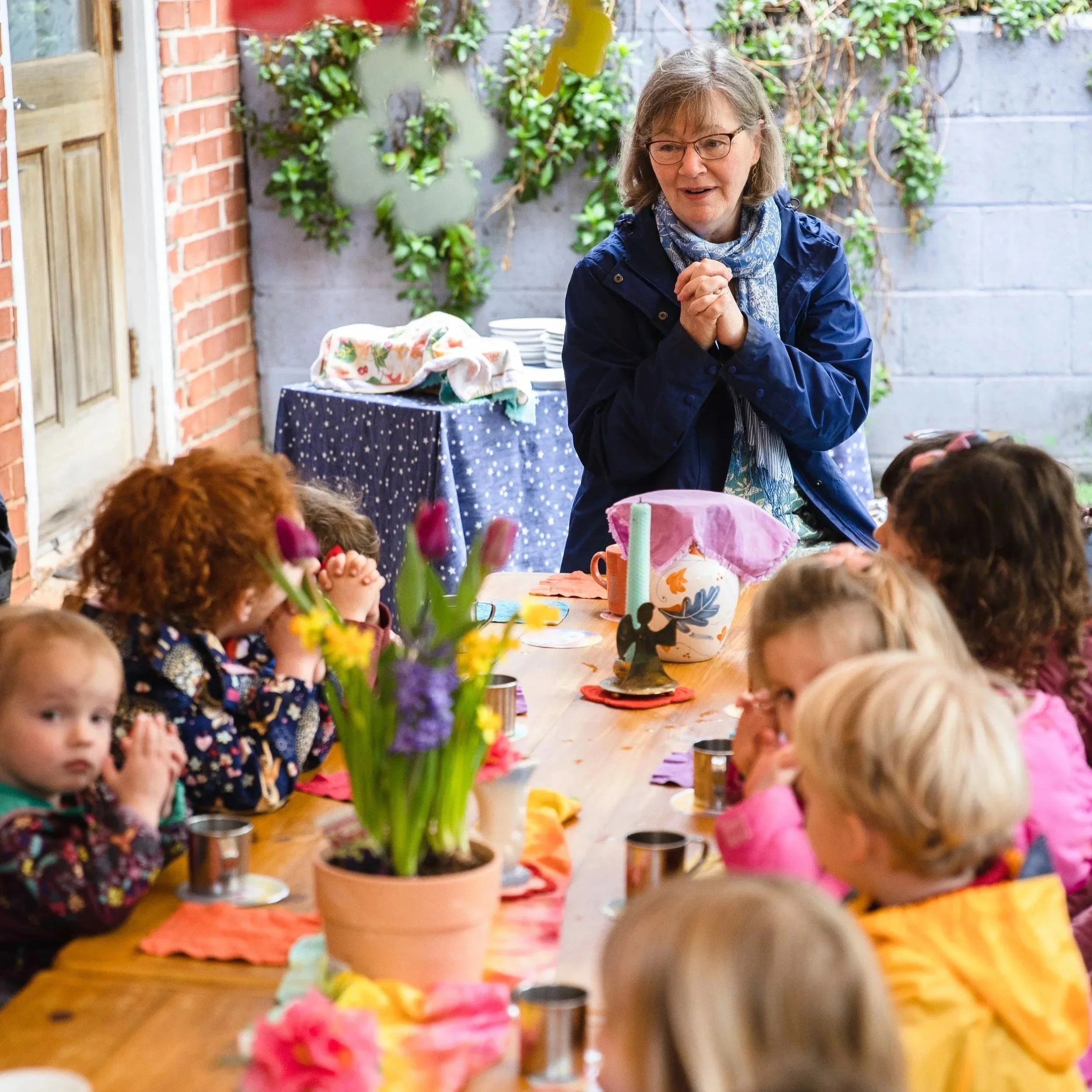
The Role of the Teacher: Waldorf is a child-centered, teacher-led environment. Waldorf teachers are role models and guides, using their expertise and creativity to shape the day’s activities, the classroom environment, and the social health of the group, in addition to modeling qualities of patience and kindness.
History: The very first Waldorf School opened in Stuttgart, Germany, in 1919, under the direction of writer, educator, philosopher, and scientist Rudolf Steiner. Today, Waldorf education is the fastest growing educational model in the world, with schools in more than 75 countries and nearly 2,000 Waldorf kindergartens across the globe.
Accreditation and Teacher Training: Waldorf schools are accredited through the Association of Waldorf Schools of North America (AWSNA), which admits members through an intensive peer review and self-review process, with re-accreditation every seven years. Waldorf teachers complete a specialized multi-year post-graduate training program in Waldorf education, which includes instruction in child development, education, and the arts, as well as in-person practicums. During their training, Waldorf teachers choose to specialize in Early Childhood, grades 1–8, or high school education.
Montessori: Self-Directed Learning, With Emphasis on Skill Building
In a nutshell: With a focus on early skill building, Montessori’s method is defined by an individualized and child-directed learning environment. Montessori is distinguished by its highly specialized classroom materials, known as manipulatives, which are designed to foster problem-solving, literacy, math, and motor skills in young children. The school day is structured around work periods during which teachers aim to serve as unobtrusive observers, allowing children to self-direct their learning.
Academics: The Montessori method emphasizes early skill building. Core academic skills — including writing, letter recognition, and math — are introduced as early as age 2.5.
The Classroom Environment: Clean, organized, and aesthetic, Montessori classrooms are purposely free of clutter so children can focus on their work. While you won’t find artwork or colorful décor in a Montessori classroom, you will find work tables, open spaces, and furnishings made from natural elements.
History: Montessori was founded in 1907 by Italian physician and psychologist Maria Montessori, who based her method on the idea that children benefit from real-world, hands-on projects over pretend play. Originally founded as an early childhood program, there are today thousands of Montessori schools worldwide, many including elementary, middle, and even high school.
Accreditation and Teacher Training: Montessori teacher training programs cover theoretical aspects of the Montessori method, including mastery of Montessori materials alongside classroom internships and hands-on practice. There are several major Montessori associations nationally and internationally, but not all schools that practice Montessori methods or use the Montessori name are accredited.
Reggio Emilia: Collaborative and Project-Based, in Partnership With Teachers
In a nutshell: A philosophy of early childhood education rather than a teaching methodology, Reggio Emilia takes an inquiry-based approach to learning. Reggio Emilia teachers carefully observe children’s natural interests and use them as a guide for the curriculum, creating lessons and long-term projects that may last from weeks to months, with the program evolving from year to year. Teachers carefully document the learning process by displaying photographs and children’s drawings and crafts in the classroom, in addition to sharing them with parents.
Academics: Formal academics are not the principal aim in a Reggio Emilia preschool, though pre-academic skills are fostered, and Reggio Emilia programs generally include exposure to basic literacy and numeracy.
The Role of the Teacher: Reggio Emilia is often described as an “education based on relationships,” in which the teacher is considered a co-learner and collaborator with the child.
The Environment: In a Reggio Emilia preschool, the classroom is considered the “third teacher,” with spaces set up with open-ended materials, plentiful art and creative supplies, and a natural connection between indoors and outdoors. Children’s artwork is prominently displayed.
Founding and History: Reggio Emilia takes its name from the small Italian town where it was initially founded after World War II by schoolteacher and psychologist Loris Malaguzzi. The first Reggio Emilia school was designed for children with learning challenges, though the approach was intended to support all children.
Accreditation and Teacher Training: Reggio is considered an educational philosophy rather than a method. Preschools across the world take inspiration from the Reggio Emilia approach, and there are more than 1,000 members of the North American Reggio Alliance; however, there are no official accrediting bodies, certifications, or teacher training programs. Like a fine wine, the only true “Reggio Emilia” schools are located in the city that bears their name.
Waldorf vs. Montessori: What’s the Best Preschool Method for Your Family?
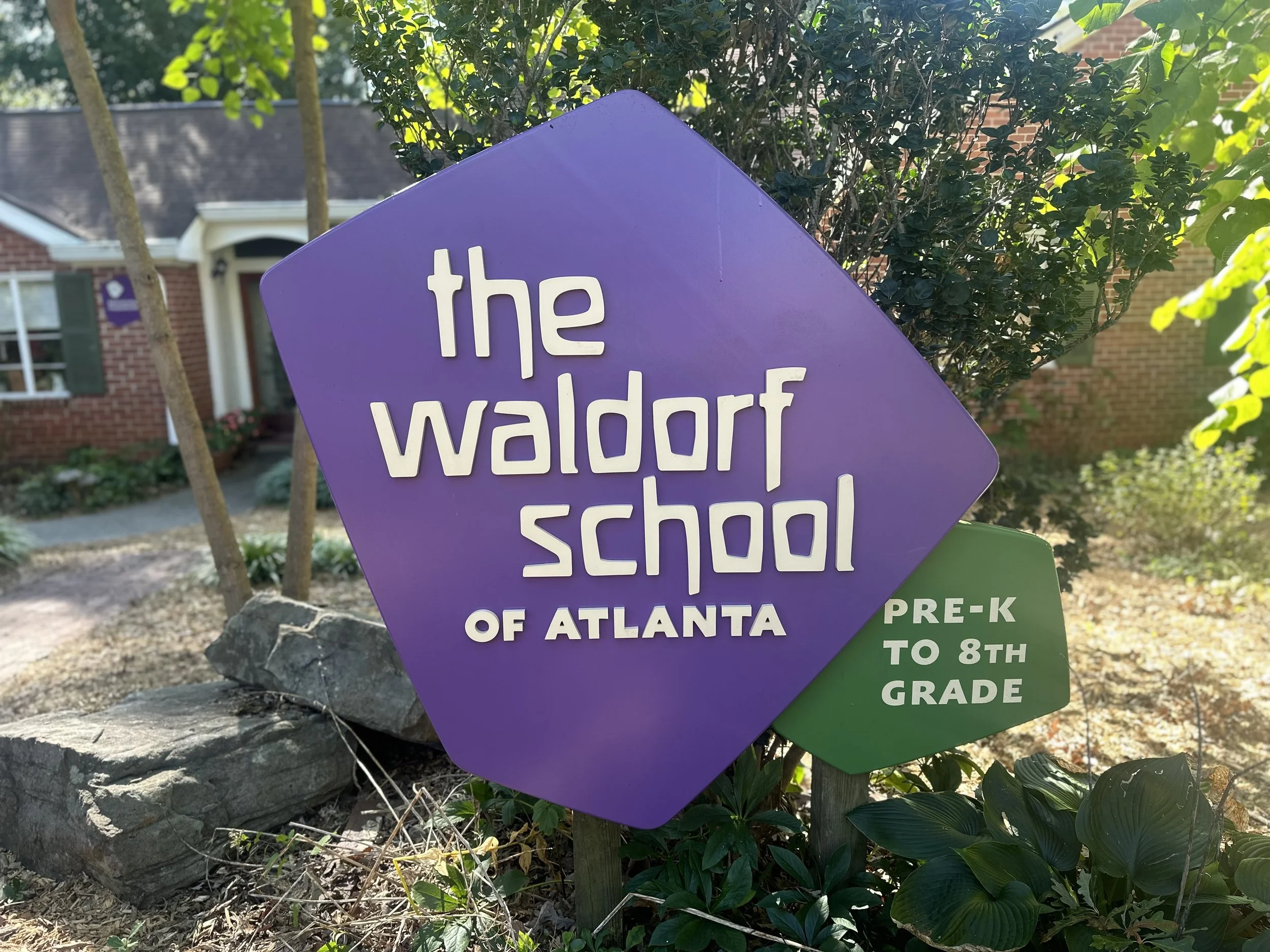
Some families will feel drawn to a certain philosophy of education and know it’s right for their children. For others, it can be helpful to visit campus during a school day to see where you and your family feel most at home. Many first-time visitors to the Waldorf School of Atlanta step into a preschool classroom and immediately feel it is the right choice for their family.
That said, the single most important factor in choosing a school isn’t the methodology. It’s the people. We hope you’ll take the time to meet our warm, dedicated, and skilled early childhood teachers and experience what a Waldorf preschool can be.
Explore More
Learn more about our Admissions process
Schedule a campus visit through our Visit & Tour Page
Discover our nurturing approach on the Early Childhood Program Page
Find answers to common questions on our FAQs Page